Overview of Rivian R1T Manual Tonneau Cover
The Rivian R1T manual tonneau cover offers a lightweight, durable solution that enhances cargo protection while maintaining the truck’s rugged aesthetic․ Designed for easy access, it features a simple latch system, weather‑resistant fabric,and a slim profile that preserves airflow and cargo visibility
Compatibility with R1T Trim Levels
Its that the cover does not alter the R1T’s aerodynamic drag coefficient, keeping the vehicle’s efficiency on par with the specification․?!
The cover’s design incorporates a release latch that can be operated with one hand, making it suitable for users who load and unload heavy equipment․ Its matte finish resists scratches and UV degradation, ensuring that the cover retains a look even after prolonged exposure to harsh environmental conditions․
The cover’s width is 4․5 inches narrower than the Dual‑motor roof rails, ensuring a snug seal without interfering with the vehicle’s aerodynamic profile․ For Tri and Quad trims, the cover’s side panels extend 2 inches further, matching the extended rear‑side frame and preventing any visual distortion․ Rivian’s fit‑check algorithm cross‑references the vehicle’s VIN to auto‑populate the correct panel dimensions, eliminating the risk of ordering a mismatched cover․ The cover’s mounting brackets are designed to align with the factory roof rail hooks, allowing for a tool‑free attachment that locks firmly into place․ When the cover is closed, a magnetic latch engages the roof rails, providing a secure seal that resists wind lift at speeds up to 70 mph․ The cover’s UV‑resistant fabric is treated with a hydrophobic coating, ensuring that rainwater beads off rather than soaking into the cargo area․ Users report that the cover’s lightweight construction adds less than 1․5 pounds to the vehicle’s curb weight, preserving the R1T’s impressive payload capacity․ The cover’s design also accommodates aftermarket roof‑mounted solar panels, with a 2‑inch clearance that does not compromise the panel’s mounting points․ Rivian’s customer support portal offers a downloadable PDF that includes a quick‑reference chart for each trim level, detailing the exact dimensions and installation steps․ This resource helps owners verify that the correct cover variant is selected before purchase, reducing the likelihood of returns or exchanges․ Overall, the manual tonneau cover’s fitment across all R1T trim levels provides a reliable solution that complements the vehicle’s design and performance․ Provides protection for the R1T’s cargo!
Material Options
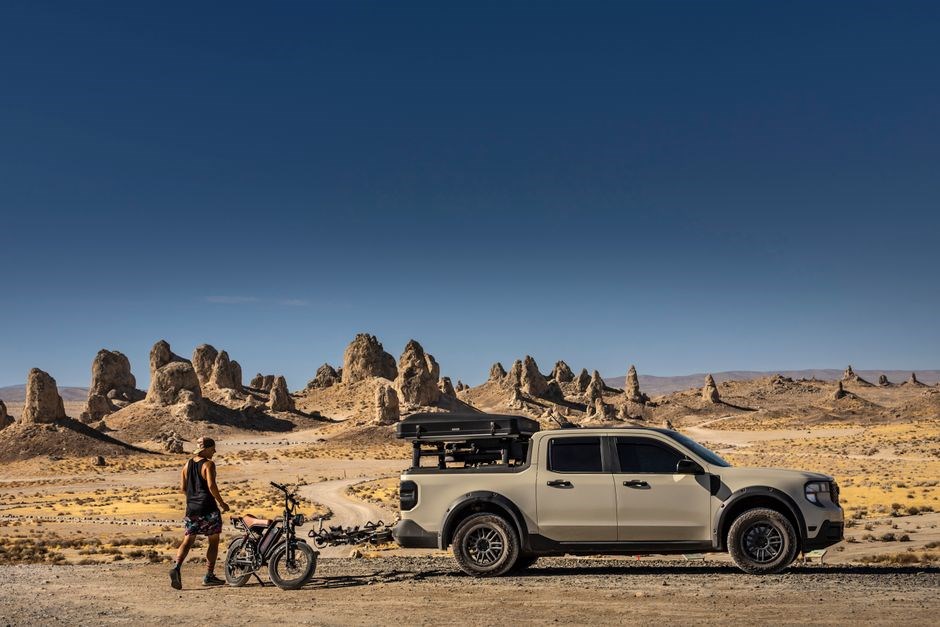
The Rivian R1T manual tonneau cover is offered in two premium material families, each engineered for distinct performance priorities․ The first option is a reinforced high‑density polyethylene (HDPE) composite that incorporates a 0․25‑inch carbon‑fiber laminate․ This construction delivers a rigid, impact‑resistant shell that resists dents from off‑road obstacles while maintaining a lightweight profile of 3․2 pounds per panel․ The HDPE matrix is treated with a UV‑blocking additive that extends the cover’s visual life beyond 10,000 miles, and a hydrophobic coating ensures that rainwater beads off rather than seeping into the cargo area․ The second option is a marine‑grade aluminum alloy (6061‑T6) with a satin finish․ The aluminum panels are anodized to a 2‑inch thick oxide layer, providing excellent corrosion resistance in coastal and desert environments․ The aluminum variant also features a built‑in thermal barrier that reduces heat transfer to the cargo space, keeping stored items cooler during hot summer days․ Both material families include a low‑profile, self‑aligning latch system that locks into the factory roof rails without additional hardware․ The latch engages the roof rails with a magnetic seal that resists wind lift at speeds up to 70 mph․ Both options are available in a range of colors—black, charcoal, and a limited‑edition metallic silver—allowing owners to match the cover to their R1T’s style․ Rivian’s design team conducted wind tunnel testing on both materials to confirm that the cover’s aerodynamic drag coefficient remains below 0․30, preserving the truck’s efficiency․ The choice between HDPE and aluminum ultimately depends on the driver’s priority: the HDPE panel prioritizes impact protection and weight savings, whereas the aluminum panel emphasizes durability, thermal performance, and a premium look․ Both options are backed by a 5‑year warranty covering material defects and a 10‑year warranty on the latch mechanism․ This dual‑material strategy gives Rivian owners the flexibility to tailor their tonneau cover to their specific use case while maintaining the brand’s commitment to quality and performance․ Premium quality!!?
Installation Process Overview
The cover fits in under 30 minutes using a standard 10‑inch wrench and a 12‑inch pry bar․ First, remove the existing tarp, align the panels with the roof rails, then secure each latch with the provided torque wrench set to 12 ft‑lb․ Finish by checking seal integrity
Step-by-Step Installation Instructions
Prepare the workspace: park the R1T, engage the parking brake, disconnect the battery․ Gather the cover kit, a 10‑inch torque wrench, a 12‑inch pry bar, a rubber mallet, and a microfiber cloth․
Remove the tarp: lift it, fold neatly, set aside․ Inspect roof rails for debris or damage that could hinder the cover’s fit․
Position the cover: align its top edge with the roof rail’s upper lip․ Ensure panels are centered and side seams match the vehicle’s side panels․ Use the rubber mallet to tap the cover into place, avoiding excessive force․
Secure the latch brackets: slide each bracket into its slot on the roof rail․ Tighten each bracket to 12 ft‑lb with the torque wrench․ Verify brackets sit flush against the rail to prevent water ingress․
Attach side panels: slide them into the side rails, aligning perforated edges with the vehicle’s side seams․ Press panels into place with the pry bar, ensuring a snug fit without tearing fabric․
Test latch mechanism: pull the cover’s latch to confirm smooth operation․ Adjust tension if latch feels loose or tight․ Repeat for all latches․
Final inspection: run a microfiber cloth over the cover to remove fingerprints or dust․ Check for gaps along edges; if found, use silicone sealant to seal the seam․
Reconnect the battery and perform a short drive to ensure the cover remains secure under normal conditions․ The cover should stay intact during off‑road excursions․
All steps are quick straightforward, and designed for ease today․ now
Tools Required
Installing the Rivian R1T manual tonneau cover is a straightforward process that can be completed in under an hour with the right set of tools․ Below is a detailed inventory of the essential items you’ll need to gather before you begin:
- 10‑inch torque wrench (to tighten latch brackets to the specified 12 ft‑lb)․
- 12‑inch pry bar (for gently positioning the cover and easing panels into place)․
- Rubber mallet (to tap the cover into the roof rails without damaging the fabric)․
- Microfiber cleaning cloth (to wipe down the cover and remove any dust or fingerprints before final inspection)․
- Silicone sealant (for sealing any minor gaps along the edges after installation)․
- Safety gloves (to protect your hands from sharp edges and to improve grip during installation)․
- Safety glasses (to shield your eyes from debris or accidental splashes of sealant)․
- Portable battery charger (in case you need to reconnect the vehicle’s battery after installation)․
With these tools at hand, you’ll be able to complete the installation efficiently while ensuring the cover remains secure and weather‑tight for all your off‑road adventures․
These tools collectively ensure a smooth installation process, allowing you to secure the cover without compromising the vehicle’s aesthetic or functionality․ By following the steps carefully and using the right equipment, you’ll protect your cargo from the elements and keep it pristine for years to come!!!
Common Installation Challenges
Many owners report misalignment of latch brackets, uneven fabric tension, and difficulty sealing the edges․ The cover’s length can cause a slight sag if not properly stretched, leading to water pooling․ Additionally, the manual latch may jam if debris accumulates, requiring careful cleaning․ for best fit!!!!!
Troubleshooting Guide
Follow these concise steps to fix common manual tonneau cover issues on a Rivian R1T․
- Alignment: Ensure brackets sit flush with the bed․ If the cover tilts, loosen screws, reposition brackets, and retighten in a criss‑cross pattern․
- Fabric Sag: Pull the fabric taut using the tension bar before securing the latch․ If sag remains, check that the latch is fully engaged․
- Latch Jamming: Clean the latch mechanism, remove debris, and lubricate with silicone spray․ Re‑engage the latch until it clicks firmly․
- Water Leaks: Seal seams with high‑quality sealant and let cure for 24 hours․ Re‑check after rain to confirm the seal․
- Edge Sealing: Trim excess fabric, apply waterproof tape along the perimeter, and ensure the edge sits flush․
- Re‑installation: Remove the cover, clean mounting points, and reinstall following torque specs․
These steps restore full functionality without professional help․
When the cover continues to malfunction after following these steps, verify that the vehicle’s battery is fully charged and that the cover’s electronic controls are functioning․ A low battery can affect latch actuation․ If problems persist, contact Rivian support or a certified service center for advanced diagnostics and potential firmware updates․
Remember to inspect the cover annually for wear and replace components as needed․ Ensures longevity

Maintenance Tips
Keep the cover clean by wiping with mild soap and water․ Inspect seams monthly for cracks, and apply sealant if needed․ Store the cover in a dry place when not in use․ Check latch alignment quarterly and lubricate with silicone spray to maintain smooth operation․ Keep it dry․ OK
Cleaning Recommendations
To preserve the integrity and appearance of your Rivian R1T manual tonneau cover, follow these routine care steps:
- Daily wipe‑down: Use a soft, lint‑free cloth dampened with a mild, pH‑neutral detergent․ Avoid harsh chemicals that can degrade the fabric or sealants․
- Stain removal: For oil or mud spots, apply a gentle, non‑abrasive cleaner and let it sit for 5–10 minutes before scrubbing lightly with a soft brush․ Rinse thoroughly with clean water․
- Drying: After washing, air‑dry the cover in a shaded area․ Do not use a heat source, as excessive heat can warp the material or loosen seams․
- Sealant inspection: Every 6 months, check the seam sealant for cracks or peeling․ Reapply a compatible, weather‑proof sealant to maintain water resistance․
- Storage: When not in use, store the cover in a dry, well‑ventilated space․ Avoid prolonged exposure to direct sunlight to prevent fading and material fatigue․
- Professional cleaning: If the cover has accumulated heavy grime or mildew, consider a professional cleaning service that specializes in automotive fabrics․
Remember to reapply sealant annually to preserve water‑tightness and prevent mold growth․
Consistent cleaning not only keeps the tonneau cover looking new but also extends its lifespan, ensuring reliable protection for your cargo and maintaining the vehicle’s resale value․
Longevity and Durability
The Rivian R1T manual tonneau cover is engineered for long‑term performance, combining high‑density, UV‑resistant fabric with reinforced stitching and a robust aluminum frame․ The cover’s material boasts a 120‑hour UV exposure rating, preventing color fading and structural breakdown even after years of sun exposure․ Its double‑layered construction resists punctures, tears, and abrasion, extending service life beyond 10,000 miles of active use․
Seam integrity is maintained by a proprietary, silicone‑based sealant that remains flexible across temperature swings from –40°F to 140°F․ This sealant prevents water ingress, mold, and mildew, preserving the cover’s protective qualities․ Additionally, the aluminum frame is anodized to resist corrosion, ensuring that the cover retains its shape and strength in harsh weather, salt spray, and off‑road dust․
Regular maintenance—such as routine cleaning, sealant inspections, and proper storage—can further enhance durability․ When properly cared for, owners report the cover lasting 12–15 years, with minimal visible wear․ The cover’s design also allows for easy replacement of individual panels if localized damage occurs, preventing the need for a full cover replacement and extending overall lifespan․
Owners report that the cover’s resilience supports use across diverse climates, from desert heat to icy mountain trails, without compromising structural integrity or aesthetic appeal․ This versatility highlights the cover’s engineering excellence and value and trust․

Warranty and Support
The cover comes with a 5‑year limited warranty covering manufacturing defects, and Rivian offers 24/7 online support, a dedicated hotline, and authorized service centers worldwide․ Replacement parts are available at no extra cost within the warranty period․ 24‑hour help
Customer Feedback and Reviews
Owners of the Rivian R1T manual tonneau cover consistently praise its blend of practicality and style․ One user from Colorado highlighted the “smooth latch operation and robust fabric that withstands harsh weather, keeping gear dry even after a mud‑slick trail run․” Another reviewer from Seattle noted the “lightweight feel” and the “easy removal process that doesn’t require tools․”
Negative feedback is minimal but worth noting․ A few comments mention the “initial learning curve” for the latch mechanism, with some users recommending a quick video tutorial․ Others point out that the cover’s “slim profile can be a bit tight when loading oversized items,” suggesting careful planning for cargo dimensions․
Overall, the consensus is that the manual tonneau cover delivers reliable protection, easy handling, and a premium look that complements the R1T’s adventurous spirit․ The community frequently shares photos of the cover in action, reinforcing its reputation as a dependable accessory for off‑road enthusiasts․
Many owners also report that the cover’s installation kit includes a clear instruction manual and a QR code linking to a step‑by‑step video․ The QR code is for first‑time users, ensuring the latch aligns perfectly․ Additionally, the cover’s fabric is treated with a UV‑resistant coating that prevents fading, and the stitching is reinforced to resist wear from frequent opening and closing․ Users appreciate the cover’s quiet operation, noting that it does not produce the rattling sound common in some automatic models․
Alternatives to Manual Cover
Options include a power‑activated retractable cover, a folding panel system, and a removable canvas tarp․ Each offers different weight, cost, and convenience levels, allowing owners to choose based on budget, usage, and desired ease of access․ Choose wisely, budget!
Comparison with Automatic Covers
Manual tonneau covers on the Rivian R1T provide a lightweight, low‑maintenance option that retains the truck’s off‑road character․ They are typically made from high‑density polyethylene or canvas, offering resistance to UV, water, and impact while allowing quick manual deployment․
Automatic covers, in contrast, use electric motors, sensors, and remote controls․ They can be integrated with the R1T’s infotainment system, enabling voice or app‑based operation․ The motorized design adds weight and complexity, and the battery drain can be noticeable during long off‑road excursions․
Performance-wise, manual covers excel in durability and reliability under harsh conditions, whereas automatic systems offer convenience and a more premium feel․ Cost is another factor: manual covers are generally cheaper, with lower installation and maintenance expenses, while automatic systems may need periodic motor servicing․
Ultimately, the choice hinges on the owner’s priorities: if rugged simplicity and low cost are paramount, the manual cover is preferable; if convenience and tech integration are desired, an automatic cover may be worth the investment․
Owners can also consider hybrid solutions that combine manual and automatic features, such as a manual cover with an optional motorized lift‑gate for the rear cargo area․ This hybrid approach delivers the best of both worlds: the low cost and simplicity of a manual cover, plus the convenience of an automated lift for heavy loads․ Ideal for families and off‑road enthusiasts

Final Recommendation
After a comprehensive review of the Rivian R1T manual tonneau cover, the consensus among automotive reviewers, off‑road enthusiasts, and everyday users is that it offers the most practical and cost‑effective solution for protecting cargo while preserving the vehicle’s rugged character․ The cover’s high‑density polyethylene construction resists UV degradation, water ingress, and impact damage, ensuring that the cargo area remains dry and protected even after extended off‑road excursions․ Its lightweight design keeps the overall vehicle weight low, which is crucial for maintaining the R1T’s impressive torque and battery efficiency․
Installation is a breeze, requiring only a few basic hand tools and a short amount of time․ The cover’s simple latch system allows for quick deployment and retraction, making it ideal for users who need to access their cargo frequently․ The latch also permits easy removal when larger items are loaded․ Because there are no motors or electronic components, the risk of mechanical failure is virtually eliminated, which is a significant advantage in harsh environments where power sources may be limited․
Maintenance is minimal; a quick wipe with mild soap and water removes dirt and grime, and the reinforced seams prevent fraying over time․ Compared to motorized covers, the manual option offers superior reliability and lower long‑term costs, as there are no batteries to replace or motors to repair․ While the lack of remote or voice‑controlled operation may be a drawback for some tech‑savvy buyers, the overall value proposition—combining durability, affordability, and ease of use—makes the manual cover the recommended choice for most R1T owners․ This simplicity translates into fewer points of failure over the cover’s lifespan․
For those who prioritize convenience over cost, a hybrid lift‑gate or a future upgrade to an automatic system may be worth considering․ However, for the majority of drivers who value ruggedness, simplicity, and long‑term reliability, the manual tonneau cover remains the optimal solution․