Article Plan: Chefs Choice Knife Sharpener Instruction Manual
This manual details operation of Chefs Choice sharpeners, like the TriZor XV and 15XV models, offering quick, 40-second sharpening versus lengthy stone methods.
Welcome to the world of effortlessly sharp knives! This instruction manual is designed to guide you through the operation and maintenance of your Chefs Choice knife sharpener. Achieving a razor-sharp edge is now faster and easier than ever, taking approximately 40 seconds per knife – a significant improvement over traditional sharpening stones which can take upwards of 10 minutes per blade.
Chefs Choice sharpeners, including popular models like the TriZor XV and 15XV, are renowned for their precision and efficiency. Whether you’re a professional chef or a home cook, this sharpener will elevate your culinary experience. This manual will cover everything from understanding the sharpening stages to troubleshooting common issues, ensuring you get the most out of your investment.
Understanding Knife Sharpeners
Knife sharpeners restore a blade’s edge by removing small amounts of metal, creating a new, sharper angle. Traditional methods, like whetstones, require skill and patience. Electric sharpeners, like those from Chefs Choice, automate this process, offering consistency and speed. They utilize abrasive materials, typically diamonds, to reshape the blade.
The effectiveness of a sharpener depends on its ability to maintain the correct angle – crucial for optimal performance. Most modern cooking knives utilize a 15-degree angle, though others exist. Understanding these angles is key to achieving a professional-quality edge. Chefs Choice sharpeners are designed to simplify this process, delivering reliable results with minimal effort.
Why Choose a Chefs Choice Sharpener?
Chefs Choice sharpeners offer a significant time-saving advantage, achieving a sharp edge in approximately 40 seconds per knife, compared to the 10 minutes often required with traditional whetstones. America’s Test Kitchen recommends their three-stage models for consistent results. These sharpeners cater to both German and Japanese-style blades, accommodating a wide range of kitchen knives.
They eliminate the learning curve associated with manual sharpening, making professional results accessible to everyone. Models like the TriZor XV provide a pre-set angle, ensuring accuracy. For those frustrated with time-consuming methods or sharpening less valuable knives, Chefs Choice offers a convenient and effective solution.
Models Overview
Chefs Choice offers a range of sharpeners to suit different needs and budgets. The Chefs Choice 120 (TriZor XV) is a popular, compact model available for around $120, ideal for those prioritizing simplicity. The Chefs Choice 15XV, a 3-stage professional electric sharpener, is a pricier option at approximately $148, offering enhanced features and durability.
For a more comprehensive sharpening system, the Chefs Choice 2100 is designed for kitchen knives, providing a smooth edge. Each model utilizes diamond abrasives, but varies in stage configuration and angle options. Choosing the right model depends on knife types, sharpening frequency, and desired level of control.
Chefs Choice 120: TriZor XV
The Chefs Choice 120, also known as the TriZor XV, is a highly-regarded electric knife sharpener praised for its speed and effectiveness. It’s a compact unit, making it suitable for kitchens with limited counter space. This model doesn’t offer adjustable grind angles; it’s pre-set for 15-degree sharpening, ideal for most modern cooking knives.
Users appreciate its ability to quickly restore a sharp edge – approximately 40 seconds per knife – significantly faster than traditional sharpening stones. The TriZor XV utilizes three stages: diamond abrasives for coarse and fine sharpening, followed by a stropping stage for polishing.
Chefs Choice 15XV: 3-Stage Professional Electric Sharpener
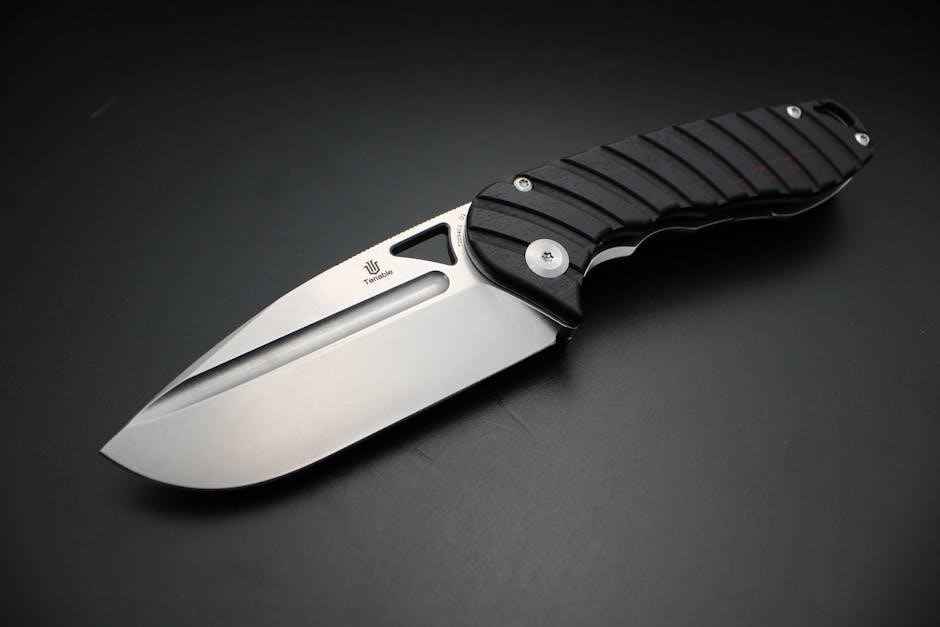
The Chefs Choice 15XV is a professional-grade, 3-stage electric knife sharpener, often recommended by sources like America’s Test Kitchen. Priced around $148, it’s a more substantial investment but delivers exceptional results; Like other Chefs Choice models, it employs a three-stage sharpening process: coarse diamond abrasives for initial sharpening, fine diamond abrasives for refining the edge, and a stropping stage for polishing and alignment.
This model is designed to handle both German-style and Japanese knives effectively, restoring sharpness quickly and efficiently. It’s a popular choice for those seeking a reliable and consistent sharpening solution.
Chefs Choice 2100: Sharpening System
The ChefsChoice Model 2100 is a sophisticated sharpening system designed for comprehensive kitchen knife maintenance. It’s noted for its ability to create a remarkably sharp edge, leaving the opposite side of the blade feeling exceptionally smooth. While effective, traditional sharpening methods can be time-consuming, even for experienced users.
The 2100 offers a quicker alternative, delivering impressive results rapidly. It’s particularly well-suited for those who prioritize both sharpness and convenience. This system provides a professional-quality sharpening experience within a home kitchen setting, simplifying knife care.
Key Features of Chefs Choice Sharpeners
Chefs Choice sharpeners distinguish themselves through speed and ease of use, achieving sharpness in approximately 40 seconds per knife – a significant time saver compared to manual sharpening stones. Models like the TriZor XV and 15XV offer pre-set sharpening angles, typically 15 degrees, suitable for most modern kitchen knives.
These electric sharpeners utilize multi-stage sharpening processes, incorporating diamond abrasives for both coarse and fine honing. They cater to various knife types, including German and Japanese blades, and prioritize consistent, professional results. Compact designs and user-friendly operation further enhance their appeal.
Sharpening Stages Explained
Chefs Choice sharpeners employ a three-stage process for optimal blade refinement. Stage 1 utilizes coarse diamond abrasives to rapidly remove metal and establish a new edge. Stage 2 refines the edge with finer diamond abrasives, increasing sharpness and precision.
Finally, Stage 3 employs stropping or polishing, creating a burr-free, exceptionally sharp, and polished finish. This sequence ensures a consistently acute and durable edge. The combination of these stages delivers professional-quality sharpening results quickly and efficiently, suitable for both German and Japanese-style knives.
Stage 1: Diamond Abrasives ― Coarse Sharpening
The initial stage utilizes diamond abrasives to aggressively remove metal, rapidly reshaping a dull or damaged knife edge. This coarse sharpening is crucial for restoring a bevel on knives that haven’t been sharpened in a while or have significant wear.
The diamond particles quickly cut through the steel, establishing a new, defined edge. This stage doesn’t aim for ultimate sharpness, but rather for foundational reshaping. It prepares the blade for the subsequent, finer sharpening stages, ensuring an efficient and effective overall sharpening process.
Stage 2: Diamond Abrasives ― Fine Sharpening
Following the coarse sharpening, Stage 2 employs finer diamond abrasives to refine the newly established edge. This stage removes the scratches left by the initial, coarser grit, creating a smoother and more refined bevel. It’s where the blade truly begins to gain sharpness, transitioning from reshaping to honing.
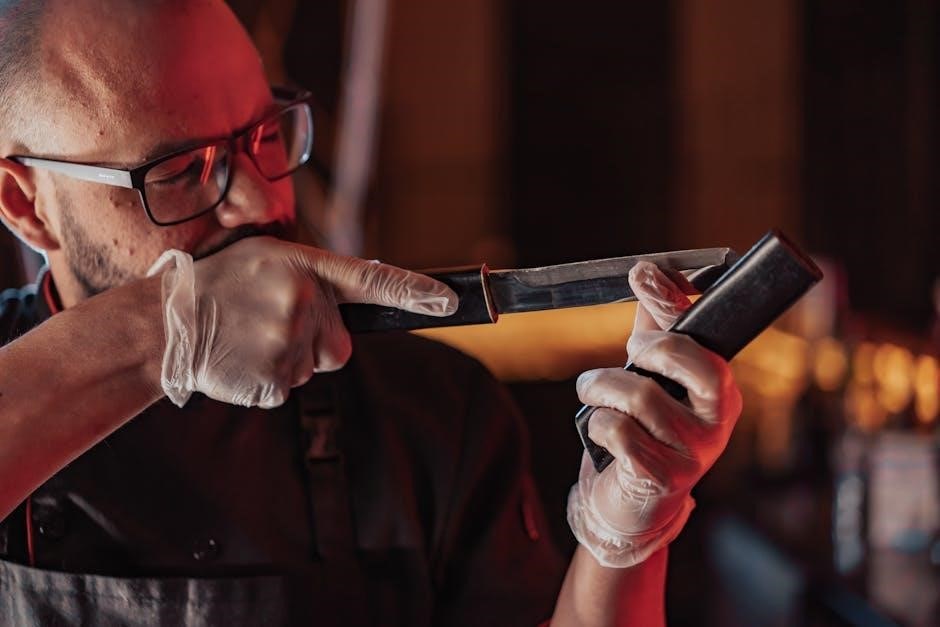
The finer diamonds delicately remove microscopic amounts of steel, improving the edge’s geometry and preparing it for the final polishing stage. This process enhances the cutting ability and overall performance of the knife, resulting in a noticeably sharper blade.
Stage 3: Stropping/Polishing
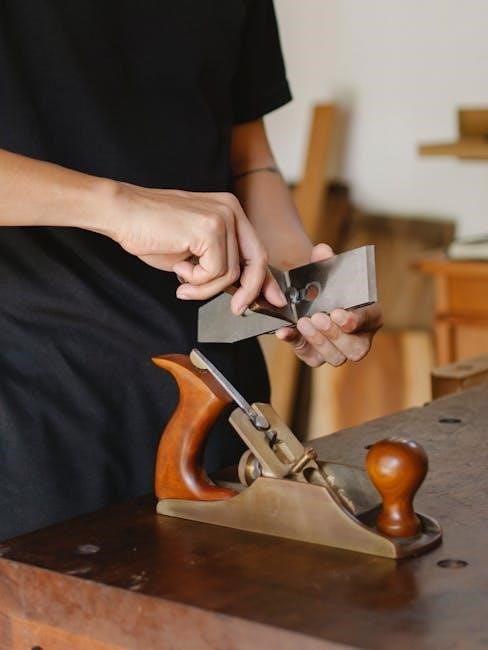
The final stage utilizes a stropping or polishing mechanism, often employing felt pads or similar materials. This crucial step doesn’t remove metal, but rather aligns and polishes the microscopic teeth of the blade’s edge. Think of it as refining the edge to its absolute keenest point.
This process eliminates any remaining burrs and creates a mirror-like finish, maximizing sharpness and edge retention. It’s what transforms a sharp knife into a truly exceptional cutting tool. The result is a blade that glides effortlessly through food, offering a superior culinary experience.

Preparing Your Knife for Sharpening
Before using your Chefs Choice sharpener, proper knife preparation is essential. Begin by thoroughly cleaning your knife to remove any food residue or debris, ensuring optimal sharpening results. Inspect the blade for chips or significant damage; these may require professional repair before sharpening.
Familiarize yourself with your knife’s blade type – German or Japanese – as this influences the appropriate sharpening angle. Understand that even “beater” knives benefit from preparation. Ensure the sharpener is clean and the abrasive materials are in good condition. A clean knife and sharpener yield the best outcome.
Step-by-Step Sharpening Guide (General)
To begin, plug in your Chefs Choice sharpener and select the appropriate stage. Generally, start with Stage 1 for coarse sharpening, drawing the blade through the slot with gentle, consistent pressure. Repeat this several times. Proceed to Stage 2 for fine sharpening, using the same technique.
Finally, utilize Stage 3 for stropping and polishing, which refines the edge. Maintain a consistent angle throughout each stage. Remember, the process takes roughly 40 seconds per knife. Always unplug the sharpener before cleaning. Repeat on the opposite side of the blade for a balanced edge.
Sharpening German-Style Knives
German-style knives, like the J.A. Henckels Forged Premio, typically feature a 20-degree edge. However, many Chefs Choice sharpeners, such as the TriZor XV, are pre-set to a 15-degree angle, suitable for most modern kitchen knives.
Using the 15-degree setting generally yields excellent results for German blades, providing a sharp and durable edge. Follow the general sharpening guide, ensuring consistent pressure and angle. If you prefer a more aggressive edge, consider a sharpener specifically designed for 20-degree angles, but the 15-degree setting is often sufficient.
Sharpening Japanese-Style Knives
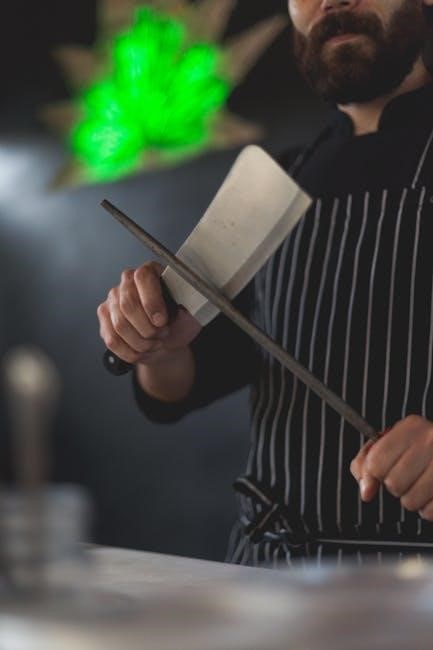
Japanese knives, such as the Global G-2, are renowned for their harder steel and typically feature a 15-degree edge. This makes them ideally suited for use with many Chefs Choice sharpeners, particularly those offering a 15-degree setting like the TriZor XV.
When sharpening, maintain light and consistent pressure, guiding the blade through each stage. Avoid excessive force, as the harder steel can be more sensitive. The three-stage process – coarse, fine, and stropping – will restore a razor-sharp edge, preserving the knife’s delicate geometry.
Angle Considerations (15-Degree vs. Other Angles)
Most modern cooking knives utilize a 15-degree edge, making it the most common and versatile angle for sharpening. Chefs Choice sharpeners, like the TriZor 15, are specifically designed for this angle, ensuring optimal performance for a wide range of blades.
While some knives may have different bevels, a 15-degree edge provides an excellent balance between sharpness and durability. Using the correct angle is crucial; an incorrect angle can lead to a dull or damaged blade. The TriZor XV, however, doesn’t offer angle choice, focusing on consistent 15-degree sharpening.
Maintaining Your Chefs Choice Sharpener
Regular maintenance ensures your Chefs Choice sharpener continues to deliver optimal performance. Cleaning after each use is vital; remove metal filings with a soft brush or cloth. Avoid water exposure to electrical components.
Diamond abrasives will eventually wear down and require replacement. Chefs Choice offers replacement abrasive discs, extending the sharpener’s lifespan. Monitor abrasive condition for reduced sharpening effectiveness. Proper care prevents build-up and maintains consistent sharpening results, preserving the quality of your knives and the sharpener itself.
Cleaning and Care
Consistent cleaning is crucial for maintaining your Chefs Choice sharpener’s efficiency and longevity. After each sharpening session, use a soft brush or dry cloth to remove accumulated metal filings from the sharpening stages;
Avoid using water or cleaning solutions on the electrical components. A slightly damp cloth can wipe down the exterior, but ensure it’s completely dry before use. Regular removal of debris prevents build-up, ensuring smooth operation and consistent sharpening results. This simple care routine maximizes the sharpener’s lifespan and performance.
Diamond Abrasive Replacement
Over time, the diamond abrasives within your Chefs Choice sharpener will wear down, impacting sharpening performance. Replacement frequency depends on usage, but diminished sharpening effectiveness signals the need for new abrasives.
Consult your specific model’s instructions for the correct replacement abrasive type and procedure. Typically, this involves removing a retaining screw or clip and carefully inserting the new abrasive cartridge. Ensure proper alignment for optimal sharpening. Regularly checking and replacing abrasives guarantees consistently sharp knives and extends the sharpener’s useful life.
Troubleshooting Common Issues
If your Chefs Choice sharpener isn’t delivering desired results, several issues might arise. A knife not sharpening properly could indicate worn abrasives, incorrect angle selection, or insufficient pressure during the sharpening process; Sparking during sharpening is generally normal, a byproduct of the diamond abrasives removing metal, but excessive sparking warrants investigation.
Ensure the knife is inserted correctly into the sharpening slots and that you’re using the appropriate stage for your knife type (German or Japanese). If problems persist, consult the detailed troubleshooting section in your model’s manual or contact Chefs Choice support.
Knife Not Sharpening Properly
If a knife remains dull after using your Chefs Choice sharpener, first verify you’ve selected the correct sharpening stage – coarse for very dull knives, fine for touch-ups. Ensure adequate pressure is applied while drawing the blade through each slot, following the unit’s guidance. Worn diamond abrasives are a common culprit; inspect for damage or diminished grit.

Incorrect angle selection is also critical. Most modern knives require a 15-degree angle. Confirm you’re using the appropriate setting. Finally, ensure the knife blade is clean and free of debris before sharpening.
Sparking During Sharpening
Occasional sparking is normal during the sharpening process, particularly in the initial coarse stage, as the diamond abrasives remove metal to reshape the blade. However, excessive or continuous sparking could indicate an issue. Ensure you are applying consistent, moderate pressure and maintaining the correct angle throughout each pass.
Avoid forcing the blade; let the sharpener do the work. If sparking persists, inspect the knife blade for any existing damage or irregularities. A severely damaged blade may require professional sharpening before using the Chefs Choice unit.
Safety Precautions
Always unplug the Chefs Choice sharpener before cleaning or performing maintenance. Never operate the unit with a damaged cord or plug. Keep fingers clear of the sharpening slots during operation to prevent accidental cuts. This appliance is not intended for use by individuals with reduced physical, sensory, or mental capabilities without supervision.
Exercise caution when handling freshly sharpened knives, as they will be extremely sharp. Store knives securely after sharpening. Do not attempt to sharpen damaged or broken blades. Always read and understand all instructions before using the sharpener.

Comparing Chefs Choice to Other Sharpening Methods
Compared to manual sharpening stones, Chefs Choice offers speed and consistency – achieving sharpness in seconds versus minutes per knife. While Lansky sets provide precision for skilled users, they are time-consuming for everyday or less valuable knives. Professional sharpening services deliver excellent results but involve cost and downtime.
Chefs Choice provides a convenient middle ground, offering professional-quality sharpening at home. It excels at quickly restoring the edge on a variety of knives, making it ideal for frequent use and larger households. However, some models, like the Trizor XV, offer limited angle customization.
Manual Sharpening Stones
Traditional whetstones demand skill and patience, requiring consistent angle maintenance throughout the sharpening process. Achieving a sharp edge can take considerable time – upwards of ten minutes per knife – and relies heavily on user technique. While offering ultimate control over the sharpening angle, stones are less forgiving for beginners.
They are also more labor-intensive, especially when dealing with numerous or less expensive knives. Despite the learning curve, experienced users appreciate the precision and ability to customize the edge. However, for quick touch-ups or sharpening a large collection, manual stones can be impractical.
Professional Sharpening Services
Employing a professional knife sharpening service guarantees a consistently sharp edge, expertly honed by skilled technicians. This eliminates the learning curve and physical effort associated with DIY methods. While convenient, professional services incur ongoing costs, and require knives to be without during the sharpening period.
The turnaround time can vary, and it’s not ideal for frequent touch-ups. Though reliable for high-end knives, it’s less practical for everyday kitchen tools or a large set. Compared to the speed of a Chefs Choice sharpener – achieving results in around 40 seconds – professional services are considerably slower and more expensive long-term.
Beater Knives and Sharpening
“Beater knives” are inexpensive, reliable workhorses, often used for tasks where preserving a pristine edge isn’t critical. These knives endure heavy use and frequent dulling, making regular sharpening essential. While a Lansky set suits prized knives, a Chefs Choice sharpener excels at quickly restoring beater knives.
The convenience of a 40-second sharpening cycle is invaluable for these frequently used blades, especially when dealing with multiple knives – like a set belonging to children. The Chefs Choice Trizor XV, for example, efficiently handles these tasks, offering a practical solution for maintaining a functional edge without excessive effort or time investment.
Where to Buy and Pricing
Chefs Choice sharpeners are widely available through various retailers, both online and in brick-and-mortar stores. Amazon is a prominent source, with the TriZor 15 (a variation of the 120) often listed around $120. Other online marketplaces like Walmart and specialty kitchenware websites also carry the range.
The more advanced Chefs Choice Model 15XV 3-Stage Professional Electric Sharpener typically retails for approximately $148. Pricing can fluctuate based on sales and promotions. Physical stores such as Bed Bath & Beyond and kitchen supply shops frequently stock these sharpeners, allowing for in-person inspection before purchase.
Customer Reviews and Ratings
Customer feedback on Chefs Choice sharpeners is overwhelmingly positive, particularly regarding their speed and ease of use. Many users highlight the significant time savings compared to traditional sharpening methods like whetstones. The TriZor XV consistently receives high marks for its ability to quickly restore a keen edge to both German and Japanese-style knives.
Reviews often mention satisfaction with sharpening “mediocre” knives, and even those belonging to children, where more precise methods become impractical. While some users with extensive knife collections prefer manual systems like the Lansky for their best blades, the convenience of Chefs Choice is frequently praised.
Chefs Choice knife sharpeners offer a compelling solution for maintaining sharp kitchen knives, balancing professional results with user-friendly operation. Models like the TriZor XV and 15XV deliver consistently sharp edges in seconds, a significant advantage over time-consuming manual methods.
While dedicated enthusiasts may still prefer traditional sharpening stones for high-end blades, Chefs Choice provides an excellent option for everyday sharpening needs and less expensive knives. The convenience and effectiveness make it a worthwhile investment for both home cooks and professional chefs seeking reliable, quick sharpening.